Recreation & Hospitality
Golf Courses
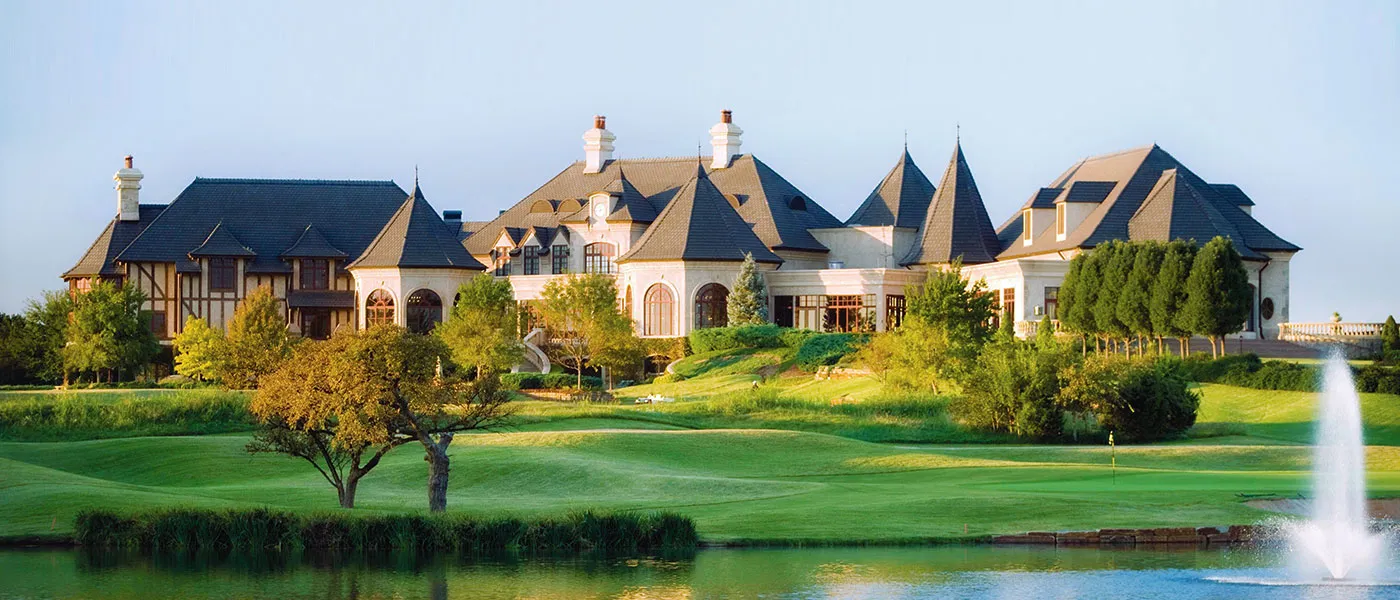
Golf courses occupy a unique position in the real estate landscape, blending operating-business dynamics with significant underlying land value. Typical assets range from 100 to 200 acres and generate revenue through memberships, green fees, food and beverage, events, and—at the high end—real estate adjacencies such as resort or residential developments.
After years of contraction, institutional interest has rebounded as golf participation surged post-2020, rising over 30% according to the National Golf Foundation. Investors are drawn to recurring cash flow, long-term land optionality, and opportunities to reposition underperforming courses through redevelopment, modernization, or non-golf amenities such as pickleball and short-game formats.
From a development standpoint, golf courses can anchor master-planned communities or serve as valuable land banks in constrained suburban markets. For operators and capital providers alike, success depends on marrying operational efficiency with strategic land use—treating the golf course not just as recreation, but as a flexible, yield-producing real asset.
Developers building in Golf Courses
111 in the database