Investment Strategies
Office-to-Residential
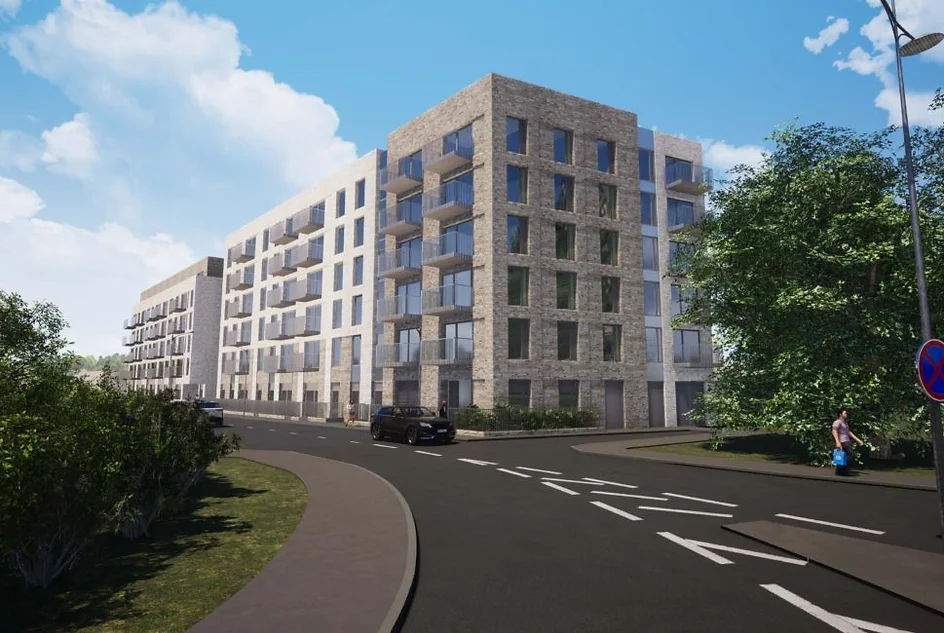
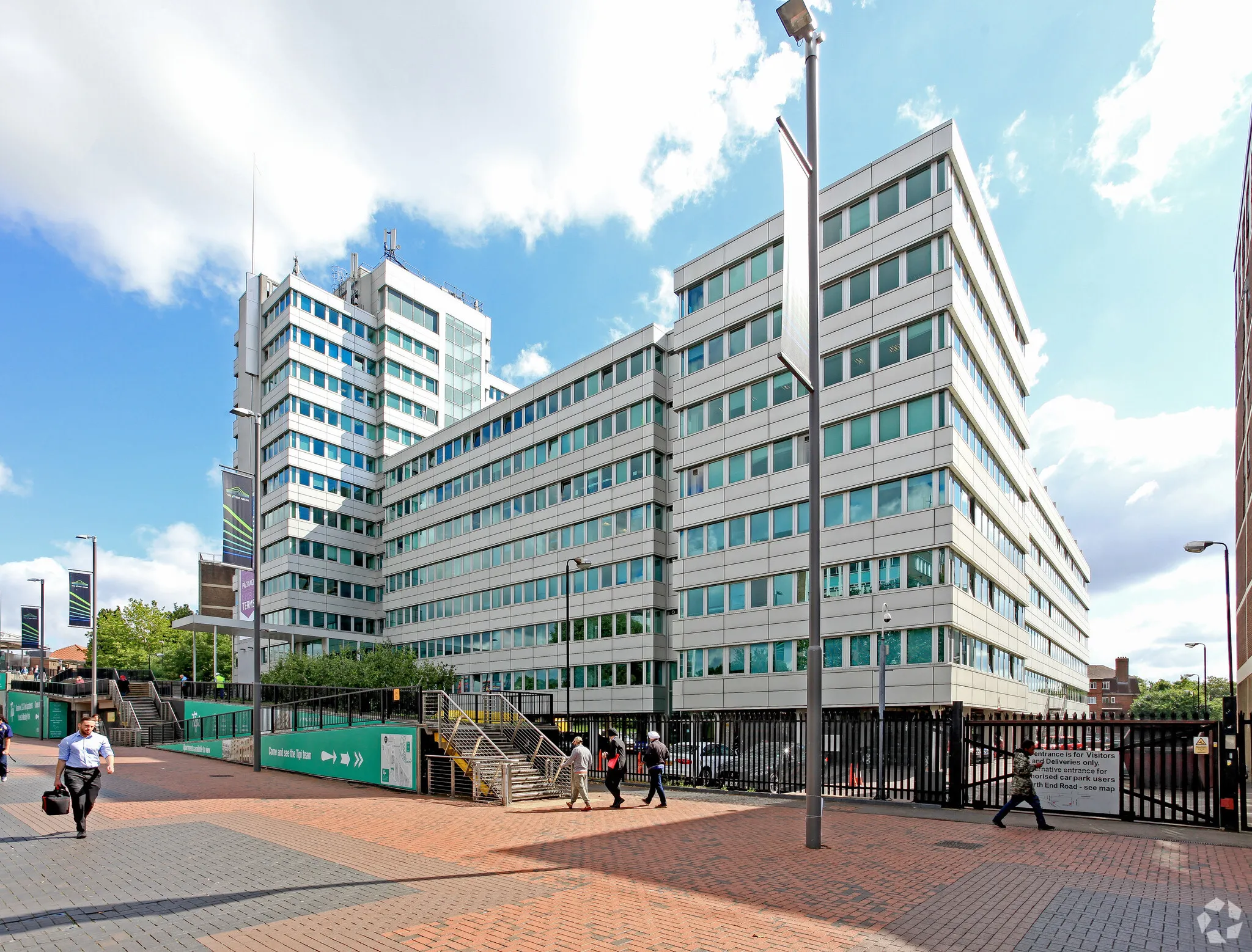
Office-to-residential conversions have become an area of significant interest in real estate development, particularly in the context of shifting work patterns and urban housing demands. The pandemic accelerated the adoption of remote work, leading to a decreased need for traditional office spaces. Consequently, some developers are repurposing underutilized office buildings into residential units to address the growing need for housing.
In major urban centers, where residential space is at a premium, this trend is particularly pronounced. Converting office buildings offers a solution to the scarcity of land and the high cost of new construction. These conversions often involve transforming high-rise office structures into apartments or condos, providing urban dwellers with centrally located living options.
One of the advantages of these conversions is the speed of bringing housing units to market compared to new construction. Buildings already have essential infrastructure in place, such as plumbing, electricity, and elevators. However, challenges include adapting office layouts to residential needs and complying with residential building codes, which can differ significantly from commercial standards.
These projects also align with sustainability goals, as repurposing existing buildings reduces the carbon footprint associated with new construction. The trend towards office-to-residential conversions is not only a response to current market conditions but also reflects a broader shift towards more flexible and efficient use of urban space. This approach is likely to remain a key strategy in addressing urban housing shortages and revitalizing city centers.
Developers building in Office-to-Residential
191 in the database