Office & Commercial
Self-Storage

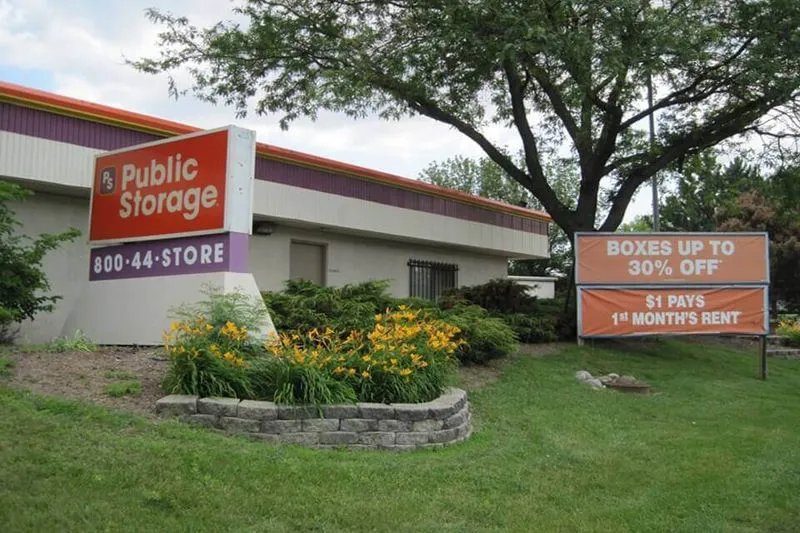
Self-storage real estate development in the United States has been expanding steadily, catering to a diverse range of needs from personal storage to business use. As of 2023, the U.S. self-storage market size was approximately $39 billion, reflecting its increasing popularity and necessity. The market's growth is propelled by various factors, including urbanization, downsizing trends, and the transient nature of contemporary lifestyles.
The U.S. has the highest number of self-storage facilities worldwide, with over 50,000 locations. This saturation is due to the American culture of consumerism and the accumulation of possessions, coupled with transitions like moving, downsizing, or decluttering. Interestingly, about 10% of U.S. households rent a self-storage unit, with an average rental period extending beyond 14 months.
Self-storage development is characterized by its lower construction and maintenance costs compared to other real estate sectors. Typically, these facilities have minimal staffing requirements and can be efficiently managed. Furthermore, the sector's resilience during economic downturns makes it an attractive investment. During recessions, demand often rises due to downsizing or the need for temporary storage during transitions.
Investment in the self-storage sector has been growing, with major players and private equity firms expanding their portfolios. The industry's performance, marked by stable occupancy rates and increasing rental prices, demonstrates its robustness. The continual innovation in this sector, such as climate-controlled units and enhanced security features, caters to evolving consumer preferences. Given these dynamics, the self-storage real estate market in the United States is poised for sustained growth and profitability.
Developers building in Self-Storage
524 in the database