Detached Housing
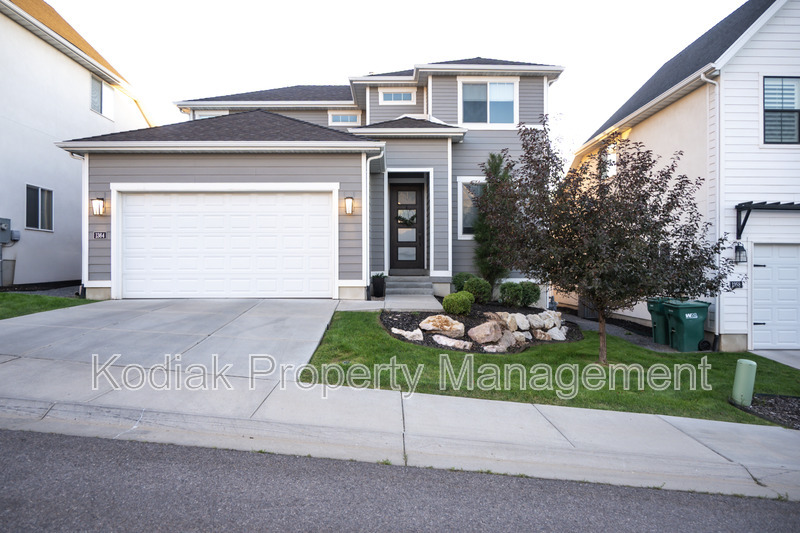
Single-Family Homes

Single-family real estate development, or homebuilding, is a significant sector in the U.S. housing market. In 2023, the market for single-family homes in the United States was robust, with approximately 1.2 million new units started, reflecting sustained demand despite higher interest rates. This sector is driven by factors like population growth, urbanization, and changing demographics, with a notable shift towards suburban and exurban areas.
The market dynamics of single-family homebuilding are influenced by economic conditions, interest rates, and material costs. For instance, fluctuations in lumber prices, which increased by over 50% between 2020 and 2023, significantly impact construction costs and, consequently, home prices. Additionally, low mortgage rates in recent years have fueled demand, making home ownership more accessible to a broader segment of the population.
Sustainability and technology integration are increasingly pivotal in this sector. Energy-efficient designs, smart home technology, and the use of sustainable materials are becoming standard features in new single-family homes. In fact, the market for smart homes in the U.S. was projected to reach $62 billion by 2023, underscoring the growing consumer preference for technology-enabled living spaces.
Despite the positive growth, the single-family homebuilding sector faces challenges such as land availability, zoning regulations, and a skilled labor shortage. The scarcity of buildable land in high-demand areas has led to rising land costs, accounting for about 21% of the total home building expenses in 2023. These factors, combined with a 15% shortage in skilled labor, have posed significant hurdles to the pace of development. However, the sector's adaptability and resilience continue to drive its evolution in the ever-changing landscape of the U.S. housing market.
Developers building in Single-Family Homes
3,638 in the database