Office & Commercial
Suburban Office
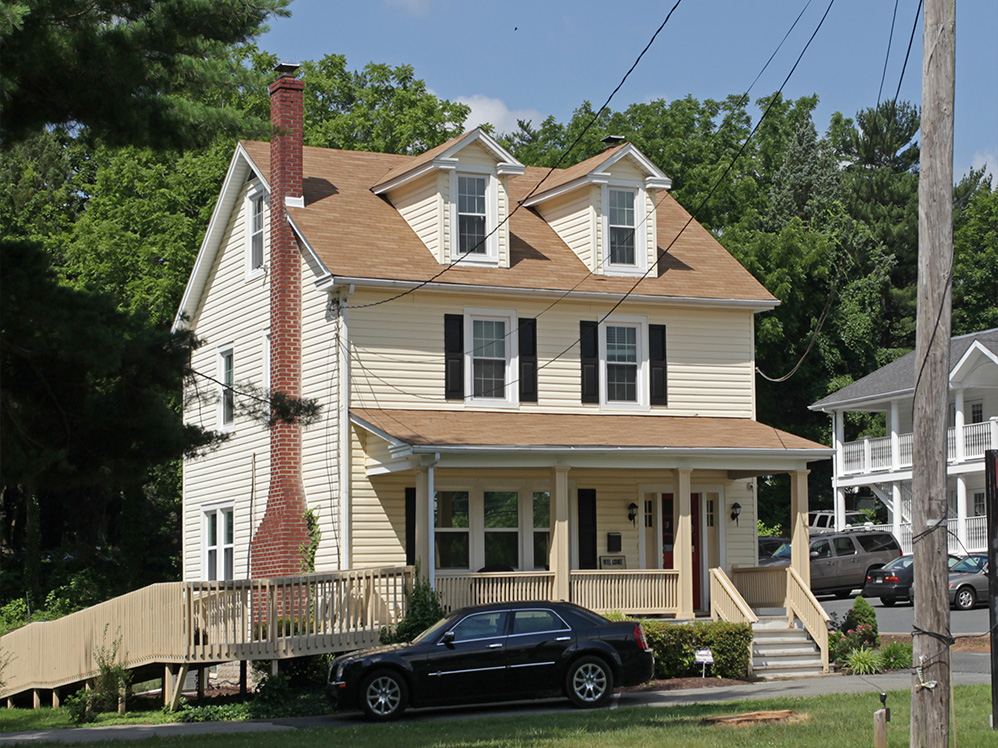
Suburban office buildings are outside of the center of cities. The sector has experienced a nuanced shift in the wake of changing work patterns and preferences. The traditional view of suburban offices as less desirable compared to urban counterparts is being challenged, yet the market faces its own set of challenges. With remote work becoming more prevalent, the demand for large suburban office spaces has seen a noticeable decline. This shift represents both a challenge and an opportunity in the suburban office market, which, while difficult to quantify in exact terms, is undergoing a significant transformation.
A key trend is the reimagining of suburban office spaces to align with new work norms. Developers are focusing on smaller, more flexible office designs that cater to hybrid work models. These spaces often emphasize amenities like shared meeting areas and advanced technological infrastructure to appeal to companies seeking cost-effective, yet modern office solutions.
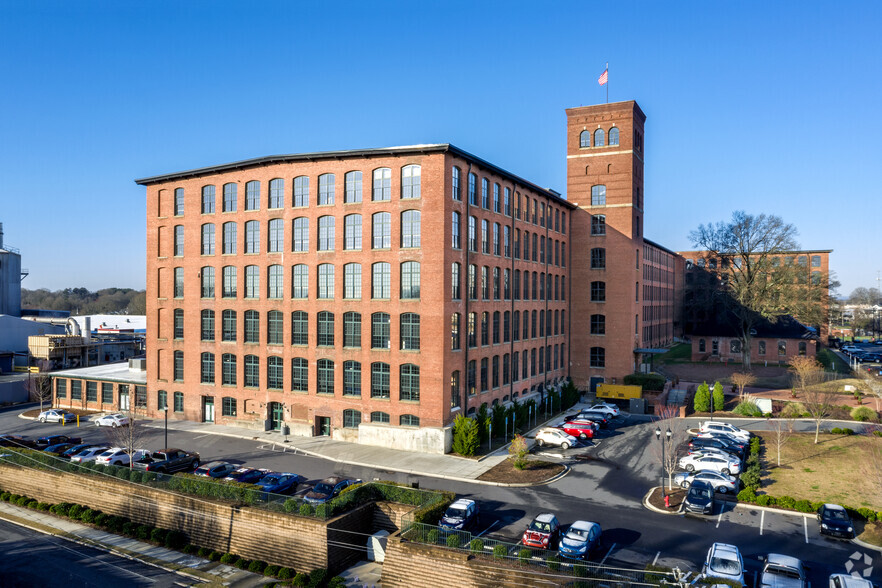
Another trend is the increasing vacancy rates in some suburban office markets, leading to a repurposing of these spaces. There's a growing interest in converting underutilized office buildings into mixed-use developments or residential units. This adaptive reuse can revitalize suburban areas but also highlights the challenges facing traditional office development in these regions.
While suburban office development presents opportunities, particularly in creating flexible and modern workspaces, it also faces the reality of a shrinking demand. The sector's future will likely hinge on its ability to adapt to the evolving needs of the workforce and the broader economic landscape.
Developers building in Suburban Office
2,424 in the database